Shipping glass bottles safely requires more than simply wrapping them in bubble wrap. Each bottle needs to be protected from impact, separated from other bottles and secured inside a suitable outer box so it cannot move freely during transit.
Whether you sell drinks, sauces, oils, cosmetics or other bottled products, the basic packing principle is the same: protect the glass, control movement and make sure the package can withstand normal handling during delivery.
In this guide, we explain how to pack glass bottles for shipping step by step, including the packaging materials you need, how to pack multiple bottles and how to reduce the risk of breakage and leakage.
Quick Answer: How Do You Pack a Glass Bottle for Shipping?
To pack a glass bottle for shipping, make sure the bottle is securely closed, wrap it individually with suitable cushioning, protect vulnerable areas such as the neck and base, and place it inside a strong cardboard box. Fill empty spaces with suitable void fill so the bottle cannot move around during transit, then seal the box securely with packaging tape.
If you are shipping multiple bottles, each bottle should be individually protected and separated so the glass cannot knock against other bottles.
What Packaging Do You Need to Ship Glass Bottles?
The packaging you need will depend on the bottle’s size, weight, shape and contents. A typical setup can include:
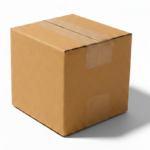
- A suitable cardboard box
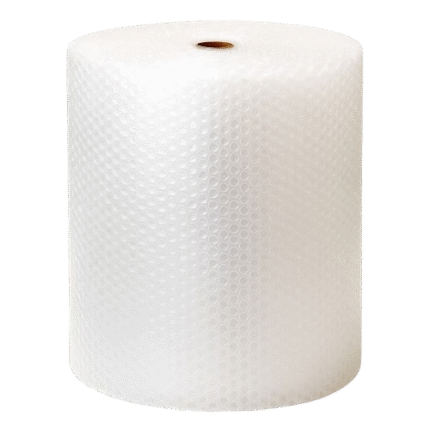
- Bubble wrap or another suitable cushioning material
- Loose fill packing peanuts or other void-fill material
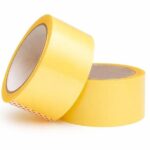
- Packaging tape
- A leak-resistant inner layer when shipping liquids
- Dividers or additional separation when shipping multiple bottles
The important thing is not simply using a large amount of packaging. The packaging needs to work together to cushion the bottle, prevent movement and keep bottles from coming into contact with each other.
You can find cardboard boxes from Cloud Packaging for use as the outer packaging.
Step 1: Check the Glass Bottle Before Packing
Before you start packing, inspect the bottle carefully.
- Check for cracks, chips or other visible damage.
- Make sure the bottle is properly closed.
- Check that the outside of the bottle is dry.
- Make sure the cap, lid or closure is secure.
- If the bottle contains liquid, check for any signs of leakage.
It is better to identify a damaged or leaking bottle before it goes into the parcel rather than discovering the problem after dispatch.
If the bottle contains a liquid, you should also check the current requirements of the courier or postal service you intend to use. Certain liquids can have additional transport restrictions.
Step 2: Wrap Each Bottle Individually
Each glass bottle should be protected individually rather than wrapping several bottles together.
Use suitable bubble wrap or another appropriate cushioning material around the bottle.
Make sure the protective material covers the main body of the bottle as well as the areas around the shoulder, neck and base. The aim is to create a cushioning layer between the glass and anything that could strike it during handling.
For heavier or particularly fragile bottles, additional cushioning may be required.
Step 3: Protect the Bottle Neck and Base
The neck and base of a glass bottle should not be overlooked when packing.
These areas can be more vulnerable to impact, particularly if the bottle moves inside the box.
Make sure your cushioning extends around the entire bottle rather than protecting only the widest part of the body.
If the bottle has a long or unusually shaped neck, pay particular attention to the space around it when placing the bottle inside the outer box.
Step 4: Choose the Right Cardboard Box
Place the protected bottle inside a strong, suitable cardboard box.
The box should provide enough room for protective material around the bottle without creating excessive empty space.
A box that is too small can leave insufficient room for cushioning, while an oversized box can allow the bottle to move around during transit.
Do not use a cardboard box that is already crushed, torn, wet or otherwise weakened.
For regular ecommerce shipping, using consistent box sizes can also make the packing process easier to repeat across orders.
Step 5: Add Cushioning Around the Bottle
Once the wrapped bottle is inside the box, add cushioning around it.
There should be protection between the bottle and the sides, top and bottom of the outer box.
Do not rely solely on the cushioning wrapped around the bottle. The space between the protected bottle and the cardboard box also needs to be controlled.
This helps reduce the effect of impacts during handling and prevents the bottle from directly contacting the cardboard walls.
Step 6: Fill Empty Space to Prevent Movement
Empty space inside a parcel allows the contents to move. With glass bottles, controlling that movement is particularly important.
Use suitable void-fill material to fill the gaps around the protected bottle.
Loose fill packing peanuts can be used to fill spaces around a protected bottle and help keep it in position.
Once the box has been filled, gently move or shake it.
If you can feel or hear the bottle moving inside the box, open it and add more suitable cushioning or void fill.
Step 7: How to Pack Multiple Glass Bottles
When shipping multiple glass bottles in one parcel, the bottles should not be allowed to touch each other.
Protect each bottle individually and use suitable dividers or cushioning to create separation between them.
A simple packing process is:
- Wrap each bottle individually.
- Place suitable separation between the bottles.
- Position the bottles securely inside the outer box.
- Fill gaps around and between the bottles.
- Add cushioning above the bottles.
- Check that the bottles cannot move or collide.
- Seal the box securely.
For businesses regularly shipping several bottles together, packaging designed with internal bottle dividers can make the process more consistent.
How Do You Prevent Glass Bottles From Breaking in Transit?
There are three main things to control when packing glass bottles for delivery:
1. Protect Against Impact
Use suitable cushioning around each bottle to reduce direct impacts against the box or other objects.
2. Prevent Movement
Fill empty spaces inside the box so the bottle cannot move freely and gain momentum during handling.
3. Prevent Bottle-to-Bottle Contact
If you are shipping multiple bottles, use dividers or suitable cushioning so the bottles cannot strike each other.
A good packing method addresses all three areas rather than relying on bubble wrap alone.
How Do You Prevent Glass Bottles From Leaking?
If the bottle contains liquid, leakage needs to be considered separately from breakage.
Start by checking that the bottle is properly closed and that the cap, lid or other closure is secure.
Where appropriate, use a suitable leak-resistant inner layer before placing the bottle into the outer packaging.
The outer packaging should also provide enough protection to reduce the chance of the bottle being damaged during transit.
Before dispatching liquids, check the current requirements of the specific courier or postal service. Rules can vary depending on the type and quantity of liquid being transported.
Bubble Wrap vs Loose Fill for Glass Bottles
Bubble wrap and loose fill serve different purposes when packing glass bottles.
Bubble wrap is used primarily as cushioning around the bottle. It creates a protective layer between the glass and potential impacts.
Loose fill is mainly used to fill empty spaces around the protected bottle and reduce movement inside the box.
For many glass bottle shipments, they can be used together: wrap the bottle first, then use suitable void fill around it inside the cardboard box.
Common Glass Bottle Packing Mistakes
Using an Oversized Box
A box that is much larger than the bottle can create excessive empty space and make movement more difficult to control.
Wrapping Multiple Bottles Together
Wrapping several bottles together does not prevent the glass from contacting other bottles. Individual protection and separation are important when shipping multiple bottles.
Leaving Empty Space Inside the Box
Even a well-wrapped bottle can move around if there is too much empty space inside the outer box.
Ignoring the Bottle Neck and Base
Protecting only the widest part of the bottle can leave other areas exposed to impact.
Using a Damaged Box
A box that is already weakened may provide less protection during handling and transportation.
Relying on a Fragile Label
A fragile label does not replace proper internal protection. The bottle still needs suitable cushioning, separation and movement control.
Ignoring Courier Restrictions
Not every liquid can necessarily be sent using every delivery service. Always check the current requirements before dispatching bottles containing liquids.
Glass Bottle Packing Checklist
- Bottle checked for cracks or damage
- Bottle securely closed
- Bottle individually cushioned
- Neck and base adequately protected
- Suitable cardboard box selected
- Cushioning placed between the bottle and box
- Empty spaces filled
- Multiple bottles separated
- No noticeable movement inside the box
- Box securely sealed with packaging tape
- Courier restrictions checked where applicable
Final Thoughts
The key to shipping glass bottles safely is to control both impact and movement.
Protect each bottle individually, pay attention to the neck and base, use a suitable cardboard box, fill empty spaces and keep multiple bottles separated from one another.
For businesses shipping bottles regularly, having a consistent packing process can help ensure every order receives the same level of protection before dispatch.
Cloud Packaging supplies packaging materials including cardboard boxes, bubble wrap, loose fill and packaging tape.








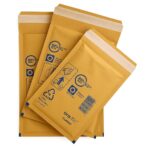
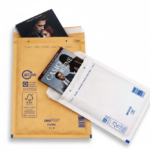 Bubble Envelopes
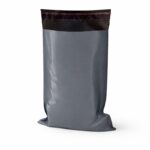 Mailing Bags
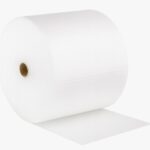
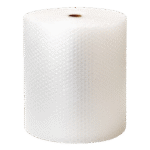 Bubble Wrap Rolls
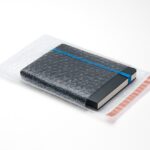 Bubble Wrap Bags
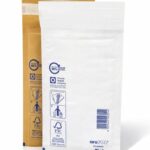 Bubble Envelopes
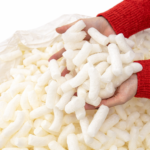 ECOFLO Loose Fill Packing Peanuts
 Grip seal bags
 Arofol Bubble Bags
 Layflat Tubing Heavy duty
 Layflat Tubing Medium duty