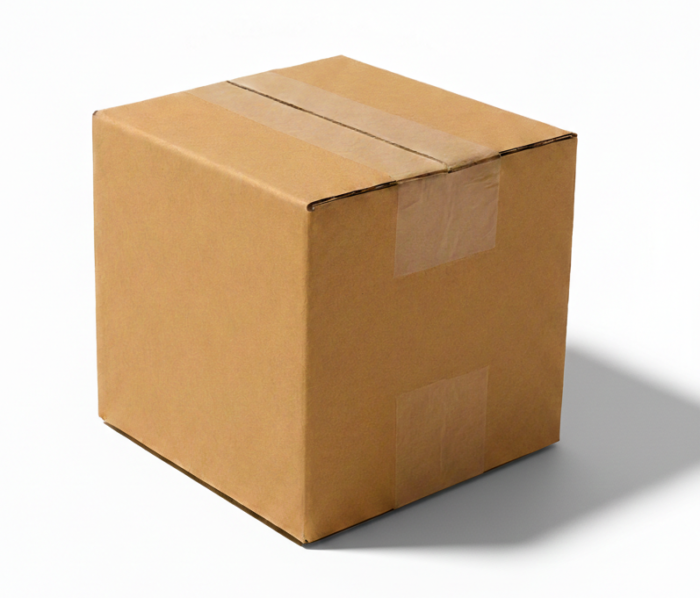
Our single-wall cardboard boxes are perfect for shipping, storage, and everyday use across a variety of industries.
Delivered flat-packed to save space, quick to assemble and easy to seal
Fully recyclable for a more sustainable packaging solution
Dimensions listed refer to internal measurements: length × width × height
Please note: manufacturing tolerances of ±10mm may apply
£9.48–£10.98Price range: £9.48 through £10.98 ex. VAT
One of the most common (and costly) mistakes small ecommerce businesses make is using the same packaging for everything. The box that’s perfect for a heavy ceramic mug is wasteful overkill for a pair of earrings. The mailing bag that works brilliantly for a folded t-shirt is completely wrong for a glass candle.
Choosing packaging that actually fits your product in terms of size, protection, weight, and format directly affects your postage costs, your return rate, and the impression your brand makes when a parcel lands on a customer’s doorstep.
This guide covers the most common ecommerce product types and the right packaging solution for each, drawing on the options available from Cloud Packaging so you can make practical decisions rather than just educated guesses.
Why Getting Packaging Right Matters More Than Most Businesses Think
Beyond the obvious (protecting your product), packaging choice affects:
Postage cost — Royal Mail and couriers charge based on weight and size. An oversized box for a lightweight product pushes you into the next weight or size tier unnecessarily. Multiply that by hundreds of orders a month and the overspend becomes significant.
Damage rate — Under-packaging fragile products leads to breakages in transit, returns, refunds, and negative reviews. These costs far exceed the minor saving on cheaper packaging.
Sustainability and EPR compliance — UK Extended Producer Responsibility (EPR) regulations now charge businesses based on the amount and recyclability of packaging they place on the market. Using less packaging, and choosing more recyclable formats, has a direct financial benefit.
Customer experience — The moment a customer opens a parcel is a touchpoint with your brand. A well-chosen, appropriately sized package signals professionalism. An enormous box for a tiny item packed with excessive void fill makes the wrong impression.
Jewellery, Small Accessories, and Gift Items
The challenge: Small, often delicate, high perceived value. Items that look cheap if packaged poorly. Low weight means postage cost should be minimal.
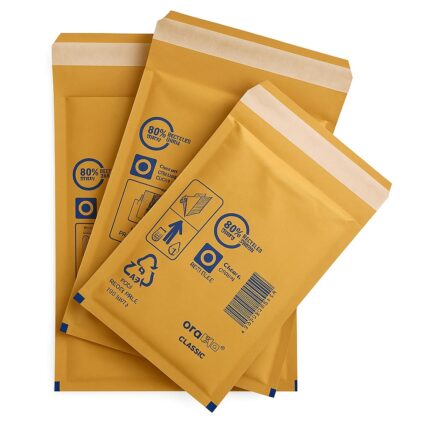
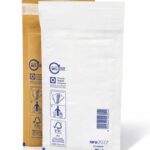
Recommended packaging: For most jewellery and small accessories, an Arofol bubble envelope in a small size (AR1 or AR2) is the ideal format. The kraft paper outer looks professional, the bubble lining protects against transit impacts, and the total parcel weight stays well within Royal Mail’s small parcel or large letter thresholds.
For particularly delicate items (pendant necklaces, earrings with fine components), wrapping the piece in a layer of small bubble wrap before placing it in the envelope gives an extra layer of surface protection without meaningfully adding weight.
If you’re selling in retail packaging (a branded jewellery box or card), a slightly larger Arofol envelope accommodates the box and still qualifies for letter or large letter postage, keeping costs down.
What to avoid: Full cardboard boxes for standard jewellery shipments they’re heavier, slower to pack, and push postage into small parcel rates unnecessarily.
Clothing, Textiles, and Soft Goods
The challenge: Typically non-fragile, but variable in size. Weight can be significant for larger garments. No cushioning needed, just containment and weather resistance.
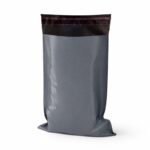
Recommended packaging:Mailing bags are the natural choice for clothing and textiles. Lightweight, waterproof, self-sealing, and available in multiple sizes, they add negligible weight and keep postage costs low. Cloud Packaging also stocks pink mailing bags and blue mailing bags a simple way to add a branded touch or colour-code your dispatch operations without any additional cost.
For heavier knitwear, coats, or multiple items in one order, ensure you select a mailing bag size that allows the garment to be folded without forcing the seal — overfilling causes leaks and split seams.
What to avoid: Bubble envelopes for standard clothing the cushioning adds weight and cost with no protection benefit for non-fragile textiles. Cardboard boxes are similarly unnecessary unless the item requires shape preservation.
Books, Documents, and Printed Materials
The challenge: Needs to arrive flat and uncreased. Moderate weight. Often needs to look professional on arrival.
Recommended packaging: An Arofol bubble envelope in an appropriate size (AR3–AR5 for most books and A4 documents) provides sufficient protection against bending and moisture. The bubble lining gives a degree of rigidity without adding much weight.
For higher-value books, art prints, or anything where corner damage would be unacceptable, a cardboard mailer or cardboard box provides the rigid structural protection that a bubble envelope cannot. This is particularly important for coffee table books, signed copies, or any printed item where presentation on arrival matters to the customer.
For documents only (certificates, contracts, invoices, greetings cards), a standard bubble envelope is typically adequate and keeps postage within the large letter band.
What to avoid: Mailing bags for books or stiff printed materials they provide no bend resistance, and a single postal worker’s grip can crease or fold the contents in a way that makes it unsellable.
Small Electronics and Tech Accessories
The challenge: Surface scratch sensitivity. Potential static damage risk. Moderate to high value. Fragile to impact.
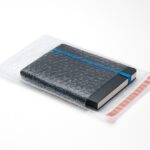
Recommended packaging: The right packaging depends on whether your product contains static-sensitive components. For cables, phone cases, screen protectors, and accessories with no exposed circuitry, a clear bubble bag or small Arofol bubble envelope provides good impact cushioning with minimal weight addition.
For electronics containing sensitive components circuit boards, memory cards, processors, or any bare PCB anti-static bubble bags are the correct choice. Standard polyethylene bubble wrap and regular bubble bags can generate electrostatic discharge (ESD) during handling, which can damage or degrade components invisibly. Anti-static bags eliminate this risk while providing the same impact cushioning.
For larger electronics (tablets, small appliances, gaming accessories), pack within a cardboard box with small bubble wrap wrapped around the product and loose fill packing peanuts filling remaining void space. This combination provides surface protection, impact absorption, and movement prevention the three things electronics need most in transit.
Fragile Items: Glassware, Ceramics, and Homeware
The challenge: High breakage risk. Often irregular shapes. Can be heavy, affecting postage tier. High customer expectation on arrival condition.
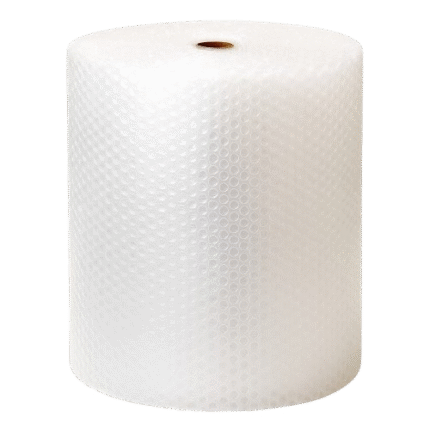
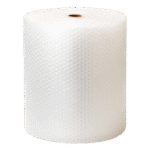
Recommended packaging: This category benefits most from a layered approach. Start with small bubble wrap for delicate surface protection (remember to keep the bubble side facing inward against the product), then place inside a cardboard box with generous loose fill packing peanuts on all sides — base, top, and surrounds. The peanuts should be deep enough that the product cannot touch the box walls when shaken.
For items like wine glasses or stemware with fragile protrusions, wrap each section (stem, bowl, base) separately in bubble wrap, securing with packaging tape, before combining.
Cloud Packaging’s ECOFLO biodegradable loose fill is an excellent choice here — it’s naturally antistatic, conforms closely to irregular shapes, and is water-soluble for easy disposal by the end customer.
For very high-value items, consider double-boxing: wrap the product, place it in an inner box with cushioning, then place that box inside a larger outer box with further void fill. This is the most protective method available and is used by premium retailers and auction houses.
What to avoid: Mailing bags or bubble envelopes alone neither format provides the structural outer protection or depth of cushioning that breakable items require. Bubble envelopes are flexible and can be crushed under other parcels.
Cosmetics, Health Products, and Supplements
The challenge: Often in their own rigid packaging (bottles, jars, tubes). Liquids create risk if seals fail. Moderate weight. Varied sizes across product ranges.
Recommended packaging: For products already in sealed, rigid packaging, an Arofol bubble envelope in the right size is typically sufficient and keeps postage competitive. The bubble lining provides enough cushioning to prevent surface damage from typical transit impacts.
For any product containing liquids perfumes, serums, oils, or liquid supplements wrap each bottle individually in small bubble wrap before placing in the outer packaging. If a seal fails in transit, the bubble wrap contains any leakage and protects other items in the parcel (and the outer packaging itself).
For multi-product orders or subscription boxes with several items, a cardboard box allows more flexibility in arrangement and provides better protection for mixed loads.
A Quick Reference Table
Product Type
Primary Packaging
Protective Inner
Void Fill Needed?
Jewellery / small accessories
Arofol bubble envelope (small)
Small bubble wrap
No
Clothing / soft goods
Mailing bag
None
No
Books / documents
Arofol bubble envelope or cardboard box
None
No
Static-sensitive electronics
Anti-static bubble bags
—
No
Other electronics / accessories
Cardboard box or bubble envelope
Bubble wrap
Sometimes
Glassware / ceramics
Cardboard box
Bubble wrap
Yes — loose fill
Cosmetics (rigid packaging)
Arofol bubble envelope
Optional
No
Cosmetics (liquids)
Cardboard box
Bubble wrap
Optional
Art prints / posters
Cardboard box (rigid)
None
No
Sealing It All Together
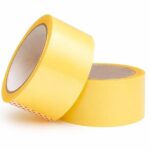
Whatever packaging format you choose, the quality of your seal matters. 48mm packaging tape is the standard for sealing cardboard boxes in ecommerce fulfilment strong, wide enough to create a secure bond across box seams, and available in bulk. For high-volume operations, a tape dispenser dramatically speeds up packing and reduces waste.
Bubble envelopes and mailing bags use peel-and-seal strips, requiring no tape another reason they’re faster for single-item dispatch at scale.
Summary
The best packaging for your product is the one that protects it reliably, keeps postage weight to a minimum, and reflects your brand appropriately without over-engineering or under-protecting.
For most small UK ecommerce businesses, a sensible starting stock covers: mailing bags for soft goods, Arofol bubble envelopes for small and medium items requiring light protection, cardboard boxes for anything structural or heavy, bubble wrap for inner protection of fragile products, and loose fill for void filling around breakables. Anti-static bubble bags are worth adding if you ship any electronics.
Cloud Packaging supplies all of these with free UK delivery on every order. Browse the full range at cloudpackaging.co.uk.
Frequently Asked Questions
For most jewellery, a small Arofol bubble envelope (size AR1 or AR2) is the most practical and cost-effective option. The bubble lining provides impact cushioning, the kraft paper exterior gives a professional appearance, and the low total weight keeps the parcel within Royal Mail's large letter or small parcel pricing band. For delicate pieces, wrapping the item in a layer of small bubble wrap before placing it in the envelope adds surface protection without meaningfully increasing weight.
It depends on the product. Electronics with exposed circuitry, printed circuit boards, memory cards, processors, or bare components require anti-static packaging to prevent electrostatic discharge (ESD) damage during handling damage that is often invisible and only manifests as a fault later. For accessories with no exposed components (cables, cases, screen protectors), standard bubble wrap or clear bubble bags are sufficient. If in doubt, anti-static bubble bags are the safer choice and add negligible cost per unit.
For genuinely fragile items, yes the structural rigidity of a cardboard box provides protection that a flexible mailing bag or bubble envelope simply cannot. But for lightweight, non-fragile products, a cardboard box typically adds unnecessary weight, increases postage cost, takes longer to pack, and uses more material. Matching your packaging format to your product's actual protection needs rather than defaulting to boxes for everything saves money and reduces your environmental impact.
Mailing bags are an excellent format for clothing, but you'll need several sizes to accommodate different product types a single mailing bag size rarely fits everything from socks to winter coats. Cloud Packaging's mailing bags are available in a range of sizes and colours (including white, pink, and blue), allowing you to match size to product and colour-code by product line or order type if that helps your picking and packing workflow.
The key is eliminating void space. A product that cannot move cannot be damaged by movement. Place a layer of loose fill packing peanuts at the base of the box, position the (bubble-wrapped) product centrally, then pour packing peanuts around and over it until there is no room for movement. Give the sealed box a firm shake if you can hear or feel the product shift, open and add more fill. The 5–7.5 cm (2–3 inch) rule applies: there should be at least that depth of cushioning material between the product and every wall of the box.
Learn what a packing slip is, what to include, how it differs from a shipping label and invoice, and how UK ecommerce sellers can use it to check orders.
Not sure whether you need 4 x 6 or A4 shipping labels? Compare label sizes, printers and UK postage workflows before choosing your next shipping labels.








 Bubble Envelopes
 Mailing Bags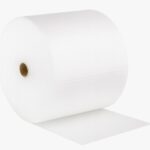
 Bubble Wrap Rolls
 Bubble Wrap Bags
 Bubble Envelopes
 ECOFLO Loose Fill Packing Peanuts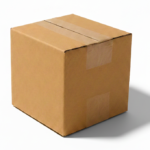
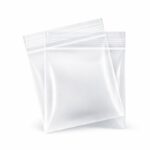 Grip seal bags
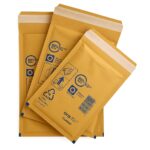 Arofol Bubble Bags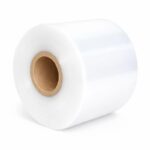
 Layflat Tubing Heavy duty
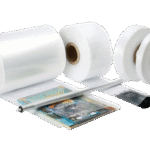
 Layflat Tubing Medium duty