Many online orders make two journeys: from your business to the customer, and sometimes back again. Packaging designed only for dispatch can be awkward to reopen, difficult to reseal or unusable once the customer has removed the contents. Planning for returns can make the process clearer for customers and help protect products on their way back.
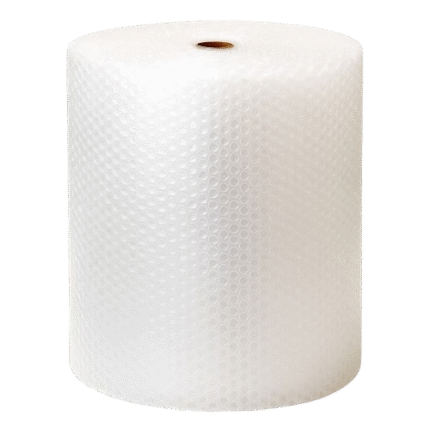
This guide explains how UK ecommerce sellers can make packaging more return-friendly, from choosing resealable formats to leaving room for a return label. For cushioning and protection between journeys, explore our protective packaging range.
What is returns-friendly packaging?
Returns-friendly packaging is designed to protect an order on the outbound journey while still being reasonably easy to open, repack and close again if the customer needs to return it. It does not mean every parcel must include a prepaid return label or that every product should be sent in reusable packaging. It means the packaging format and instructions do not make the return harder than necessary.
The best solution depends on the product, how likely it is to be returned, its value and the carrier’s parcel requirements. A soft garment, a boxed electronic device and a fragile item each need different protection.
1. Choose packaging that opens without destroying itself
Customers may need to inspect an item before deciding whether to keep it. Packaging that tears apart when opened can leave them searching for another box or improvising with tape and spare bags.
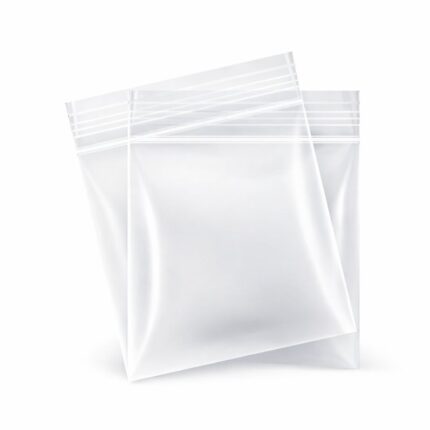
Consider formats with a tear-open strip, a resealable closure or a lid that can be reopened without damaging the main structure. A standard carton can also work if it is packed and sealed in a way that lets the customer open it carefully. Avoid relying on a closure that must be cut directly across the main panels.
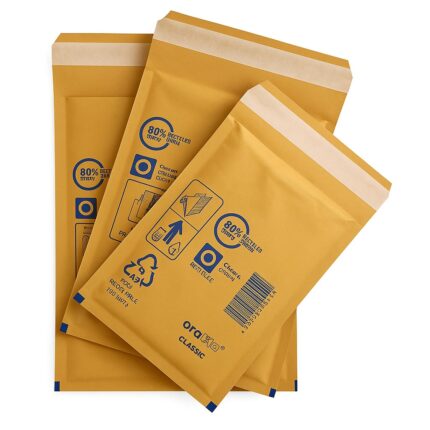
Do not assume every mailer is reusable. A single-use adhesive strip normally seals only once. If the package has no second strip, tell customers how to reseal it securely, or choose a format better suited to repeat use.
2. Match the packaging to the product and return risk
Not every order needs a specialist return-ready box. Choose the simplest format that safely suits the item and its likely return journey.
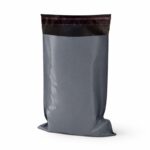
- Clothing and soft goods: a suitable mailing bag can keep the parcel compact. A second adhesive strip can make resealing easier where the bag format supports it.
- Books and flat products: a close-fitting mailer helps prevent the item shifting and can be easier to fold back around the product.
- Fragile or higher-value goods: prioritise structural protection first. A sturdy box, suitable cushioning and secure fit matter more than an easy-open feature alone.
- Orders with multiple items: use internal separation where products could rub, scratch or knock against one another when repacked.
Packaging should remain protective on both journeys. A resealable closure is not a replacement for sufficient cushioning or a box suited to the contents.
3. Make repacking straightforward
When a customer opens an order, the protective materials often end up on the floor or in the bin. If those materials are difficult to reuse, the product may be returned with less protection than it had when dispatched.
- Use inserts or protective layers that can be lifted out and put back around the item without guesswork.
- Keep the original arrangement simple, especially when an order contains several parts.
- For fragile goods, include a short instruction card or a clear diagram showing how to position the item safely.
- Avoid adding so much loose fill that it becomes difficult to repack neatly.
If the product needs a specific orientation or separate protection for accessories, make that clear. A small instruction can be more useful than adding extra material without explaining how it should be used.
4. Leave space for the return label
Plan the label placement before packing. If the outbound label covers the only large, flat surface, the customer may place the return label over an old barcode or attach it across a seam.
Where the packaging allows it, keep a clear, flat area for the return label. Give customers instructions to remove or fully cover the original shipping label and barcode before sending the parcel back. The new barcode should remain visible and should not be obscured by tape.
For help with label formats and placement, see our guide to choosing the right shipping label size.
5. Explain how to close the parcel again
Do not expect customers to know whether a package has a second adhesive strip or how the original box should be folded. Include concise instructions with the order or in your returns information.
For example, explain how to put the product back into its protective layer, close the original box or bag, and attach the return label. If the packaging requires tape for the second journey, say so plainly. If a return needs a particular carrier label or drop-off process, keep those instructions separate from the packaging guidance.
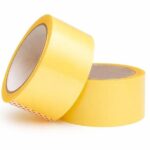
Packaging tape is useful for securely closing suitable cartons, but customers should not tape over a barcode or any required shipping information. Our guide to choosing packaging tape covers common sealing considerations.
6. Check the carrier and your returns policy separately
Packaging design and return policy are related, but they are not the same thing. Confirm the permitted parcel size, weight, label requirements and handover method for the return service you offer. A package that was accepted on the outbound journey may need a different label or booking for its return.
For UK consumer orders placed online, statutory cancellation and refund rules may apply, with exceptions for certain goods and circumstances. Packaging instructions do not replace your legal obligations. Check the current government guidance on accepting returns and giving refunds and make sure your published policy accurately reflects the rules that apply to your products.
7. Test the whole journey before changing packaging
Before switching every order to a new format, test it with representative products. Pack the order as normal, open it the way a customer might, repack it using only the instructions provided, and close it for the return journey.
Check whether the box keeps its shape, the closure holds, protective materials can be reused, and the return label fits without covering the original barcode. For fragile products, inspect whether the item stays protected after repacking. Record the problems and adjust the format or instructions before rolling it out.
Track a few practical measures over time, such as packaging damage on returns, how often returned items need replacement packaging, customer questions about repacking and the time staff spend preparing returned goods for inspection. This gives you a better basis for deciding whether a more return-friendly format is worth the additional unit cost.
Returns-friendly packaging checklist
- The format suits the product and the return parcel requirements.
- The customer can open the pack without unnecessarily damaging it.
- The item and accessories can be repacked without guesswork.
- The closure can be secured for the return journey.
- There is a clear place for the return label.
- Instructions explain how to repack, reseal and label the parcel.
- The packaging has been tested through an opening and return cycle.
Final thoughts
Good returns-friendly packaging is designed for the parcel’s second journey as well as its first. Start with the product and its protection needs, then make opening, repacking, resealing and relabelling as straightforward as possible. Test the whole process before changing your packaging range, and use customer feedback to refine it.
Explore our protective packaging range for materials that can help protect goods during dispatch.
Frequently asked questions
What is returns-friendly packaging?
It is packaging designed to protect an order on delivery while remaining easy to open, repack and close again if the item needs to be returned.
Does returns-friendly packaging need a second adhesive strip?
A second adhesive strip can make resealing easier, but it is not essential for every product. A suitable box may be securely closed with tape, while a single-seal bag may require tape or another packaging option for the return.
Should every ecommerce business use return-ready packaging?
Not necessarily. Consider the product, return frequency, protection requirements and cost. Specialist resealable packaging is most useful where it meaningfully simplifies the return process.
How can customers reuse the original packaging safely?
Provide clear instructions, keep the protective inserts easy to reposition and explain how to close the parcel. Customers should check that the packaging is still in sound condition before reusing it.
Where should a return shipping label go?
Place it on a clear, flat surface where the barcode is fully visible. Remove or completely cover the original shipping label and barcode, and do not cover the new barcode with tape.
Does packaging affect UK online return rights?
Packaging does not replace consumer law. UK distance-selling rules can give customers cancellation rights, subject to exceptions. Check current government guidance and ensure your returns policy follows the rules that apply.








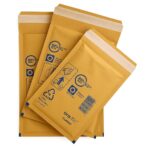
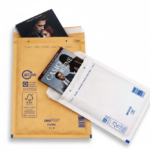 Bubble Envelopes
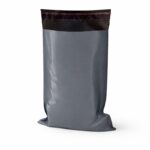 Mailing Bags
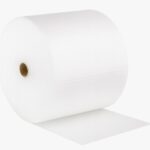
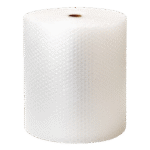 Bubble Wrap Rolls
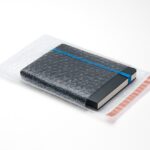 Bubble Wrap Bags
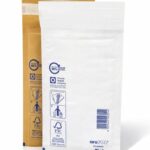 Bubble Envelopes
 ECOFLO Loose Fill Packing Peanuts

 Grip seal bags
 Arofol Bubble Bags
 Layflat Tubing Heavy duty
 Layflat Tubing Medium duty