




How to Store Packaging Supplies: A Practical Guide for UK Businesses
S/W Cardboard Boxes
First-order offer. Terms and eligibility apply.
Packaging supplies can be easy to overlook once they have been delivered. A roll of bubble wrap gets left beside the packing bench, mailing bags are stacked wherever there is space, and thermal labels stay in an open carton until they are needed.
That approach can create avoidable problems. Packaging takes up valuable workspace, materials can become damaged, and staff can waste time searching for the right item. A simple storage system keeps everyday packaging clean, accessible and easier to manage.
1. Keep packaging clean, dry and away from direct sunlight
The basic rule for most packaging supplies is simple: keep them in a clean, dry storage area and protect them from unnecessary heat, moisture and sunlight.
Cardboard and paper-based materials can be affected by moisture, while adhesive products and labels can perform differently after prolonged exposure to unsuitable conditions. Avoid storing packaging directly against damp walls or in areas where rain, condensation or leaks could reach it.
If your stockroom has windows, keep packaging away from direct sunlight where practical. This is particularly useful for labels, films and other materials that can be affected by prolonged exposure to heat or UV.
2. Store cardboard and boxes so they stay usable
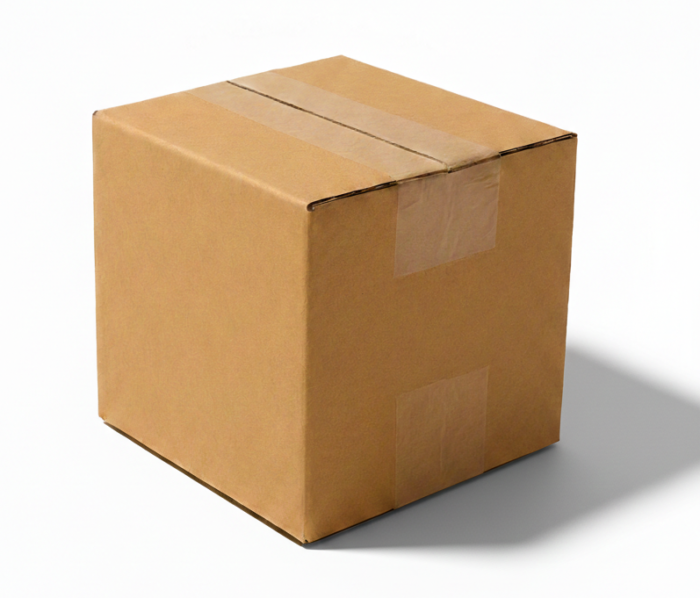
Boxes should be stored flat where possible and protected from moisture. Avoid placing heavy items on top of flat-packed cartons, especially when they will remain there for a long period.
Keep commonly used box sizes together and label each storage area clearly. If you use several similar sizes, make the dimensions easy to see from the packing station rather than relying on staff to open cartons to identify them.
Keeping boxes organised by size also makes it easier to choose the smallest suitable package, which can help reduce unnecessary void space.
3. Keep bubble wrap and protective materials accessible
Protective packaging is often bulky, so it can quickly take over a packing area if it is not given a dedicated storage position.
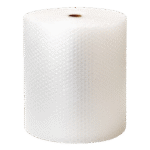
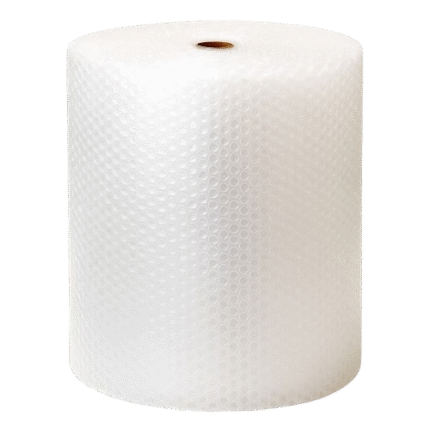
Keep frequently used bubble wrap close enough to the packing station that staff can reach it without walking across the warehouse. Larger reserve rolls can be stored separately, provided they remain protected from damage and are easy to replenish.
For fragile orders, the aim is not simply to use more cushioning. The right amount and placement matter. See our guide on how to pack fragile items for shipping for a practical packing process.
4. Protect mailing bags from damage
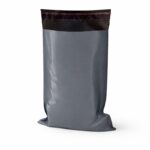
Mailing bags are lightweight and easy to store, but loose stacks can become difficult to count and keep organised.
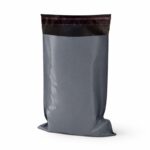
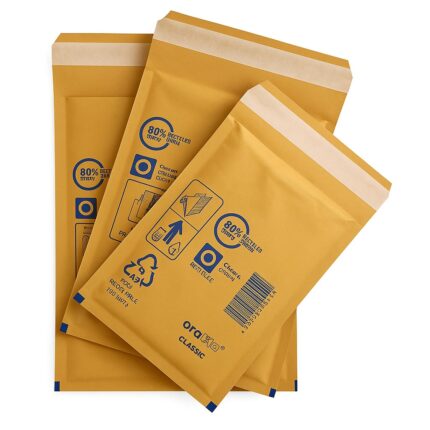
Store bags in their original packaging where practical and keep different sizes clearly separated. A simple shelf label such as the bag dimensions can prevent staff from opening several packs to find the correct size.
For businesses using several mailing bag sizes, arrange the most frequently used sizes closest to the packing station and move slower-moving stock further away.
5. Give thermal labels their own storage area
Thermal labels are small compared with many other packaging supplies, which makes them easy to overlook. However, they are often essential to the dispatch process.
Keep label rolls clean, dry and protected from direct sunlight. Store them so the rolls cannot be crushed or damaged, and keep different label sizes clearly separated.
Cloud Packaging stocks 4 x 6 thermal label rolls in the 100 x 150mm format, with 500 labels per roll. If you use this format regularly, keeping a simple count of unopened rolls can make replenishment easier. You can see the 4 x 6 thermal label rolls available from Cloud Packaging.
6. Store tape where temperature and moisture are controlled
Packaging tape should be kept in a suitable indoor storage area rather than left exposed on a packing bench or near a heat source.
Keep rolls clean and protected from dust. If you use different tape types, separate them clearly so staff do not have to compare rolls every time they seal a parcel.
A dedicated tape dispenser or packing station can also reduce wasted time and help keep rolls from being misplaced.
7. Use a simple first-in, first-out system
Packaging stock does not always need the same level of stock rotation as products, but older supplies should not disappear behind every new delivery.
When new stock arrives, place it behind or below existing stock where practical. Use the older stock first, particularly for labels, tape and other consumables where long-term storage conditions can affect performance.
This also makes stock checks easier because you can see which supplies are being used and which have been sitting untouched.
8. Separate daily stock from reserve stock
One of the easiest ways to make a packaging area more efficient is to divide it into two levels: everyday working stock and reserve stock.
- Working stock: the packaging your team uses throughout the day.
- Reserve stock: unopened cartons, rolls or packs held for replenishment.
Keep working stock close to the packing area and reserve stock in a separate storage location where possible. This prevents the packing bench from becoming a permanent warehouse and makes it obvious when working stock needs replenishing.
9. Label shelves and storage locations
You do not need an elaborate warehouse management system to make packaging easier to find. Clear shelf labels can be enough.
For each storage position, record the packaging type and size. If useful, add the minimum stock level so the person doing the stock check knows when replenishment is needed.
This works particularly well for smaller ecommerce businesses where the same few packaging items are used repeatedly.
10. Check packaging before using it
Before putting packaging into a customer order, take a quick look at it.
- Are boxes clean, dry and free from crushing?
- Are mailing bags intact?
- Is bubble wrap undamaged?
- Are tape rolls clean and usable?
- Are thermal labels stored properly and printing correctly?
A quick check can prevent a damaged packaging item from reaching the packing line and creating a problem during dispatch.
Simple packaging storage checklist
A practical storage system does not need to be complicated. Start with these basics:
- Keep packaging clean and dry.
- Protect supplies from direct sunlight and unnecessary heat.
- Store boxes flat and avoid excessive weight on top.
- Keep frequently used packaging close to the packing station.
- Separate different sizes and types.
- Label shelves and storage locations clearly.
- Keep reserve stock separate from daily working stock.
- Use older stock before newer deliveries where practical.
- Check packaging condition before use.
Final thoughts
Good packaging storage is really about making the next order easier to pack. When materials are protected, clearly labelled and kept close to the right part of the workflow, your team spends less time searching and less packaging gets damaged or forgotten.
It also works alongside good packaging planning. If you want to calculate how much stock your business actually needs, read our guide on how much packaging you need for your orders.
Frequently Asked Questions
Related posts
Buy Grey Mailing Bags in Bulk in the UK: Sizes, Costs and How to Choose a Supplier
Buy Biodegradable Packing Peanuts in the UK: A Buyer’s Guide
Buy 4×6 Thermal Label Rolls in the UK: A Buyer’s Guide
Returns-Friendly Packaging: A Practical Guide for UK Ecommerce Sellers
How to Pack Electronics for Shipping in the UK
How to Pack Clothes for Shipping in the UK: A Practical Guide
How to Pack Shoes for Shipping in the UK: A Practical Guide
What Is a Packing Slip? A UK Ecommerce Guide
How to Store Packaging Supplies: A Practical Guide for UK Businesses
How to Calculate How Much Packaging You Need for Your Orders
How to Stop Packages Moving Inside a Box During Delivery
What Size Shipping Label Do I Need? 4 x 6 vs A4 Labels Explained
Get Bulk Discount
-
Large Bubble Wrap
£6.38 – £20.49Price range: £6.38 through £20.49 ex. VAT
-
Arofol Bubble Envelopes
£8.51 – £17.06Price range: £8.51 through £17.06 ex. VAT
-
Plain Grip seal bags
£2.18 – £15.13Price range: £2.18 through £15.13 ex. VAT
-
Layflat Tubing Heavy duty
£10.39 – £46.19Price range: £10.39 through £46.19 ex. VAT


Bubble Envelopes
Mailing Bags

Bubble Wrap Rolls
Bubble Wrap Bags
Bubble Envelopes

ECOFLO Loose Fill Packing Peanuts


Grip seal bags
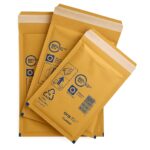
Arofol Bubble Bags
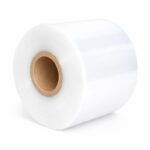
Layflat Tubing Heavy duty
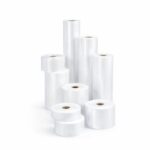
Layflat Tubing Medium duty