




Informational

Buy Grey Mailing Bags in Bulk in the UK: Sizes, Costs and How to Choose a Supplier

Buying mailing bags in bulk can help ecommerce businesses control packaging costs, speed up order fulfilment and keep essential dispatch supplies in stock. But the cheapest pack is not always the best choice. Bag size, material thickness, sealing method, quantity discounts and delivery costs all affect the value of a wholesale order.

If you ship clothing, accessories, documents or other non-fragile products, this guide explains what to check before buying grey mailing bags in bulk and how to choose an option that suits your business.

Why Buy Mailing Bags in Bulk?

For businesses dispatching orders every day, packaging is a recurring operating cost. Buying suitable mailing bags in larger quantities can make purchasing more predictable and help reduce the cost per parcel.

  • Lower unit costs: Compare the price per individual bag, not just the price per pack.
  • Fewer repeat orders: Keeping enough stock on hand reduces the risk of running out during busy periods.
  • Faster packing: Self-seal mailing bags can simplify dispatch and reduce the need for additional tape.
  • More consistent packaging: Using suitable, repeatable bag sizes makes packing routines easier to manage.
  • Better stock planning: Regular usage data helps you order quantities that match actual demand.

The key is to balance volume discounts against storage space, cash flow and how quickly you use each size.

Which Mailing Bags Should Your Business Buy?

The right mailing bag depends on what you send, how much protection it needs and how the parcel will travel.

Grey mailing bags for everyday ecommerce orders

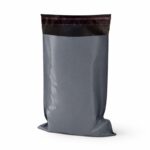
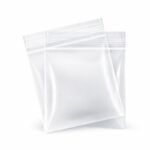
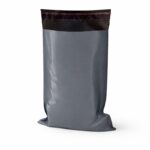
Grey mailing bags are a practical option for sending clothing, textiles, accessories, documents and other lightweight, non-fragile products. Their opaque finish keeps contents out of view, while their lightweight construction can be useful for businesses trying to control parcel weight.

CloudPackaging offers grey mailing bags in a range of sizes, with a peel-and-seal closure for straightforward packing.

Coloured mailing bags for organised dispatch

Coloured mailing bags can help businesses distinguish product ranges, organise orders or create a more recognisable packaging presentation. Choose colours that suit your workflow and check that the available sizes accommodate your products.

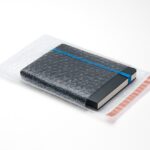
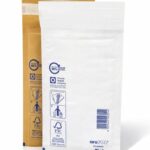
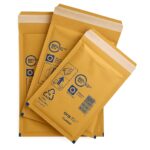
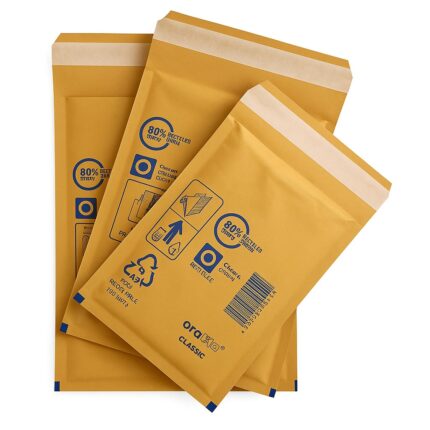
Padded envelopes for items needing cushioning

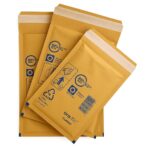
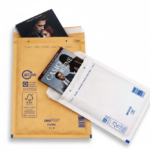
For products that may be scratched or damaged by knocks, a padded envelope may be more appropriate than a standard mailing bag. Fragile items may need additional protection or a suitable box rather than a mailing bag alone.

Choosing the right format matters more than buying the largest quantity of a single type.

How to Choose the Correct Mailing Bag Size

An oversized bag can waste material and storage space, while a bag that is too small can strain the seams or prevent the closure from sealing properly.

  1. Measure the packed product. Measure its length, width and depth after folding or preparing it for dispatch.
  2. Allow room to load it easily. Usable internal dimensions matter more than external measurements alone.
  3. Consider the closure flap. Make sure there is enough room to seal the bag without placing unnecessary tension on the contents.
  4. Test your common orders. Try the proposed size with real products before committing to a large purchase.
  5. Keep a practical range of sizes. A few well-chosen sizes can cover more orders without creating unnecessary stock complexity.

For example, a business sending lightweight clothing may need smaller bags for individual garments and larger ones for bulky items or multiple products. Do not assume one size will suit every order.

What Should You Check Before Buying Wholesale Mailing Bags?

Compare the cost per bag

A pack that costs less upfront is not necessarily the better deal if it contains fewer bags. Divide the pack price by the number of bags to compare unit costs accurately. Also compare available quantity tiers. A larger order may reduce the unit price, but the saving should justify the extra stock you will hold.

Check material thickness and durability

The bag needs to suit the weight, shape and handling requirements of the product. Check the stated material thickness and test the bags with your typical orders. Do not rely on thickness alone. The quality of the film, seams and closure also affects how the bag performs during packing and transit.

Review the sealing method

Self-seal mailing bags can help speed up high-volume dispatch because the adhesive strip closes the bag without requiring separate tape. Check that the strip is easy to use and creates a secure closure when applied correctly.

Consider storage and stock turnover

Bulk buying only makes sense when you can store the bags properly and use them within a reasonable period. Estimate your weekly usage before choosing an order quantity.

Expected stock needed = average bags used per week × weeks of cover required.

For example, a business using 200 bags each week would need approximately 800 bags for four weeks of cover, before allowing for seasonal changes or unexpected demand.

Check delivery terms

Delivery charges and lead times can change the overall value of an order. Check the supplier delivery policy, the order value needed for available delivery options and whether larger quantities have different lead times. If packaging is essential to daily dispatch, allow enough time to replenish stock before you run out.

How Much Should You Order?

Start with your actual dispatch figures rather than ordering the largest quantity available. Review the number of orders you send each week, the bag sizes used most often and any predictable seasonal increases. Then choose a quantity that balances the unit price with available storage and working capital.

  • Order larger quantities of your most frequently used sizes when the unit saving makes sense.
  • Keep slower-moving sizes in smaller quantities.
  • Review usage regularly so purchasing reflects changes in your product range.
  • Set a reorder point based on normal usage and the time needed to receive another delivery.

This approach helps prevent both emergency purchases and excess stock that ties up money unnecessarily.

Where to Buy Grey Mailing Bags in Bulk in the UK

When comparing packaging suppliers, look for clear product specifications, a useful range of sizes, transparent quantity pricing and delivery information you can check before ordering.

CloudPackaging supplies grey mailing bags in multiple sizes, with quantity-based pricing options. Compare the available sizes and current prices on the product page before choosing your order.

For businesses that regularly dispatch orders, buying suitable packaging from one supplier can also make it easier to manage repeat purchases alongside other essentials, such as thermal label rolls and packaging tape.

Before placing a large order, check the current product specifications, available quantity tiers and delivery terms to ensure the bags fit your requirements.

Make Your Next Packaging Order Count

Buying mailing bags in bulk works best when the size, quality and order quantity match your day-to-day dispatch needs. Compare the cost per bag, test the fit with your products and consider delivery and storage before choosing a quantity.

If grey mailing bags suit the products you ship, browse the available sizes and quantity pricing at CloudPackaging to find an option for your next order.

Frequently Asked Questions

Grey mailing bags are commonly used to ship clothing, textiles, accessories, documents and other lightweight, non-fragile ecommerce products. Choose packaging based on the item's size, weight and protection needs.
Yes. You can view available sizes and current quantity pricing on the CloudPackaging grey mailing bags product page: https://cloudpackaging.co.uk/product/mailing-bags/. Check the live listing for current pack quantities and prices.
Measure the product after preparing it for dispatch, allow room to load it and seal the flap securely, then test the bag with a typical order before buying a large quantity.
Standard mailing bags are best for items that do not need cushioning. For fragile or scratch-prone products, consider a padded envelope or a suitable box with protective packaging.
Compare the price per individual bag, pack quantity, material and closure, delivery charges, and any volume price breaks. The lowest upfront pack price may not be the lowest unit cost.
Check internal dimensions, material thickness, seam and seal quality, quantity discounts, storage space and delivery lead time. Estimate weekly usage so you do not over-order or run out of stock.