




Informational

How to Pack Clothes for Shipping in the UK: A Practical Guide

Clothing is one of the easier products to ship, but that does not mean it can simply be folded and thrown into any bag. During delivery, garments can be exposed to moisture, dirt, compression, snagging and rough handling. Good packaging keeps the order clean, secure and presentable without adding unnecessary weight or size.

For UK online sellers, the best packaging depends on the type and quantity of clothing you send. A single T-shirt needs a different setup from a heavy coat, a multi-item order or a delicate garment. This guide explains how to pack clothes for shipping and how to choose between mailing bags, boxes and protective materials.

What is the best packaging for shipping clothes?

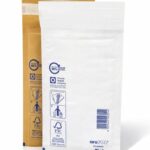
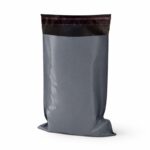
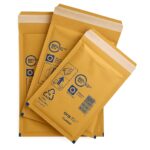
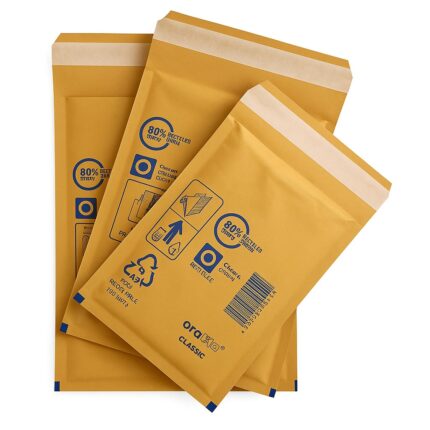
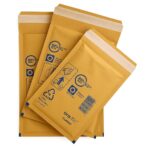
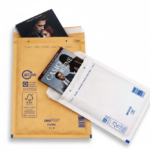
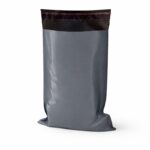
For many everyday clothing orders, a mailing bag is a practical outer package because it is lightweight, compact and protects the contents from normal handling and moisture. A separate inner bag or protective layer can be useful when keeping garments clean and neatly folded is especially important.

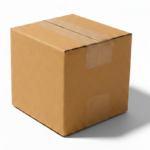
Use a box when the order needs more structure, contains several bulky garments, includes accessories that could damage the clothing, or needs extra protection from crushing.

  • Single or small clothing orders: Mailing bags are often suitable.
  • Multiple or bulky garments: Consider a suitably sized box or larger mailing bag.
  • Delicate or embellished clothing: Add an inner protective layer and avoid excessive compression.
  • Clothing with accessories: Secure hard or sharp items separately so they cannot rub against the fabric.

How to pack clothes for shipping step by step

1. Check the garments before packing

Make sure each item is clean, dry and ready to send. Check zips, buttons, embellishments and other features that could catch on fabric or packaging. For ecommerce orders, this is also a useful final check that the correct size, colour and quantity are being dispatched.

2. Fold clothes neatly

Fold garments rather than rolling them tightly. Smooth out obvious creases first, then fold sleeves, legs or other sections inward to create a compact package.

Try to keep the folded clothing flat rather than forcing it into a package that is too small. Over-compression can create unnecessary creasing and can make the parcel difficult to close properly.

3. Add an inner protective layer when useful

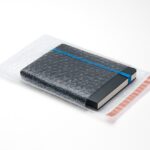
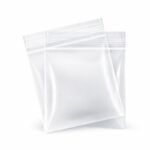
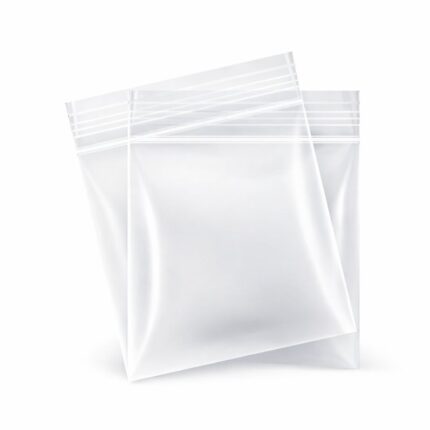
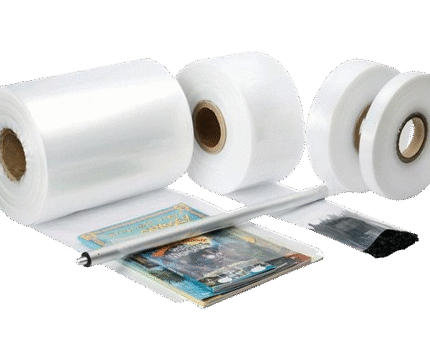
An inner bag or other suitable protective layer can help keep clothing clean and dry if the outer packaging is damaged during transit. It can also keep multiple garments together and make the parcel easier to handle.

For delicate fabrics, consider whether tissue or another appropriate protective material is needed around areas that could snag or rub. Avoid materials that could transfer colour, moisture or residue onto the garment.

4. Choose the right outer packaging

Use packaging that fits the folded clothing without crushing it. A mailing bag works well for many soft garments, while a box provides additional structure for bulkier or more delicate orders.

Do not automatically choose the largest packaging available. A close-fitting package reduces unnecessary empty space and can help keep the order compact. If you need help choosing dimensions, see our guide on what size box to use for sending clothes in the UK.

5. Protect delicate parts

Some clothing needs more attention than a standard T-shirt. Beaded garments, sequined items, delicate fabrics, metal accessories and prominent zips can create points of friction or snagging.

Protect those areas individually where necessary. The goal is targeted protection rather than wrapping every garment in multiple layers.

6. Seal the package securely

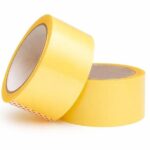
If you are using a self-seal mailing bag, make sure the adhesive strip is fully closed. For boxed orders, seal the main seams with suitable packaging tape and check that the flaps are secure.

Our guide to choosing packaging tape for shipping covers the main factors to consider when sealing parcels.

7. Apply the shipping label correctly

Attach the label to a clean, flat section of the outer packaging. Keep the barcode visible and avoid placing the label across folds, seams or edges.

If you print labels yourself, our shipping label size guide explains the common formats used for ecommerce orders.

Mailing bag or cardboard box for clothes?

The right choice comes down to the clothing and the protection required.

Packaging Best suited to Main advantage
Mailing bag Shirts, tops, trousers and other soft clothing Lightweight and compact
Cardboard box Bulky, structured or larger clothing orders More rigid protection
Inner protective bag Clothing where cleanliness and moisture protection matter Adds a protective layer inside the outer package

There is no need to use a box simply because you are shipping a product. For soft clothing that is already protected from moisture and dirt, a suitable mailing bag can be a more efficient option.

How should I pack delicate or expensive clothes?

Higher-value or delicate garments deserve more care during packing. Fold them carefully and use a suitable inner protective layer before placing them into the outer packaging. Avoid forcing the garment into a tight parcel.

For embellished clothing, protect exposed beads, sequins, buckles or other hard features so they cannot catch on another part of the garment. If the item needs rigid protection because of its shape or material, use a suitable box rather than relying only on a mailing bag.

How do I pack multiple clothing items in one parcel?

Fold each garment individually before stacking the order. If different materials or colours could rub together, use separate protective layers where appropriate.

Place the heavier or more robust items at the bottom when the packaging allows it, and avoid creating a parcel that is so tightly packed that the outer packaging strains at the seams. The finished package should close naturally and remain secure during handling.

Common mistakes when shipping clothes

  • Using packaging that is too small: This can compress garments unnecessarily and put stress on the parcel.
  • Leaving clothing exposed inside a box: Fabric can rub against cardboard or other items and may become marked.
  • Ignoring moisture protection: Clothing should have a suitable protective layer when the outer packaging alone does not provide enough protection.
  • Putting hard accessories directly against fabric: Zips, buckles and other components can cause snagging or abrasion.
  • Using an oversized parcel: Extra space increases package size without necessarily improving protection.
  • Overpacking: More material is not automatically better. Use protection where it solves a specific risk.

Clothing shipping checklist

  • Check the garments are clean, dry and correct for the order.
  • Fold each item neatly without excessive compression.
  • Use an inner protective layer when needed.
  • Protect delicate features and hard accessories.
  • Choose a mailing bag or box that fits the order appropriately.
  • Seal the outer packaging securely.
  • Attach a clear shipping label to a flat surface.

Final thoughts

The best way to pack clothes for shipping is not to use the most packaging possible. It is to use the right amount of protection for the garment and the journey. For many everyday clothing orders, a neatly folded garment with an appropriate protective layer and a suitable mailing bag is enough. Bulkier, delicate or more structured orders may benefit from a box and additional protection.

Once you know which packaging works for your most common orders, standardising the process can make packing faster and help you avoid buying unnecessary sizes or materials.

Frequently Asked Questions

For many everyday clothing orders, a suitable mailing bag with an inner protective layer can work well. Bulky or delicate orders may need a box.
Mailing bags suit many soft garments, while boxes provide more structure for bulky, delicate or larger orders.
Fold clothes neatly and avoid rolling or compressing them so tightly that the packaging strains or the garment becomes unnecessarily creased.
Use a suitable inner protective layer when the outer packaging does not provide enough protection from moisture or dirt.
Fold delicate garments carefully, protect embellishments and hard features, and avoid forcing them into tight packaging.
Fold each garment individually, stack them securely and use a package that closes naturally without excessive compression.