







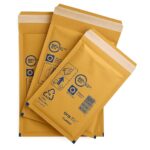
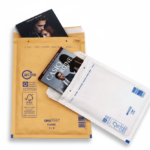
 Bubble Envelopes
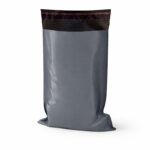 Mailing Bags
 Bubble Wrap Rolls
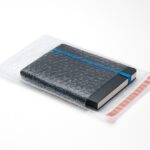 Bubble Wrap Bags
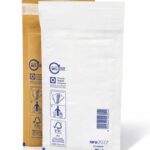 Bubble Envelopes
 ECOFLO Loose Fill Packing Peanuts

 Grip seal bags
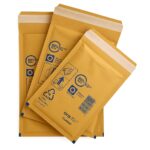 Arofol Bubble Bags
 Layflat Tubing Heavy duty
 Layflat Tubing Medium duty
Introduction
Shipping fragile products safely is one of the biggest challenges for e-commerce sellers and businesses across the UK. Damaged deliveries not only increase replacement costs but can also harm customer trust and lead to negative reviews.
Proper packaging reduces the risk of breakage during handling, storage, and transit. Whether you are shipping glassware, electronics, ceramics, cosmetics, or delicate retail products, using the correct packaging materials is essential.
Why Fragile Items Get Damaged During Shipping
Fragile products are exposed to multiple risks throughout the shipping process, including drops, vibration, compression, and sudden impacts during transport.
Damage usually occurs because of:
- Insufficient protective padding
- Oversized boxes with empty space
- Weak outer packaging
- Poor sealing methods
- Incorrect material selection
Step 1: Choose the Right Outer Packaging
Strong external packaging forms the first layer of protection for fragile goods.
Corrugated cardboard boxes such as Cardboard Boxes provide durability and help absorb external pressure during shipping.
The box should be slightly larger than the product to allow space for cushioning materials without leaving excessive empty gaps.
Step 2: Wrap Fragile Items Individually
Each fragile item should be wrapped separately before being placed inside the shipping box.
Protective materials such as Small Bubble Wrap and Large Bubble Wrap help absorb shocks and reduce direct impact during transit.
Small bubble wrap is ideal for lightweight and delicate products, while larger bubble formats are better suited for heavier or more fragile items requiring additional cushioning.
Step 3: Use Protective Bags for Smaller Fragile Products
Smaller or individually packed items benefit from additional protective layers.
Solutions such as Clear Bubble Bags and Anti-Static Bubble Bags provide extra protection while helping organise products during fulfilment.
Anti-static protection is especially important when shipping electronic components or sensitive devices.
Step 4: Fill Empty Space Inside the Box
Empty gaps inside packaging allow products to shift during transportation, increasing the risk of damage.
Void fill materials help stabilise products and reduce movement during transit.
Biodegradable options such as Loose Fill Packing Peanuts provide cushioning while also reducing environmental impact.
Step 5: Secure the Package Properly
Strong sealing is essential to maintain package integrity during shipping.
Using durable sealing materials such as Packaging Tape helps prevent cartons from opening or weakening during handling.
Tape should be applied securely across all box openings and seams.
Step 6: Use Weather-Resistant Outer Packaging
For products exposed to moisture or outdoor conditions during transit, waterproof mailing solutions can provide additional protection.
Mailing products such as Mailing Bags help protect shipments against dirt and moisture during delivery operations.
Step 7: Label Fragile Shipments Clearly
Fragile labels help communicate handling requirements during transportation. While labels do not guarantee careful handling, they improve visibility throughout logistics operations.
Common Mistakes to Avoid
- Using oversized boxes with insufficient padding
- Not protecting individual items separately
- Using weak or low-quality tape
- Leaving empty spaces inside cartons
- Using inappropriate protective materials for heavy items
Conclusion
Proper packaging is essential for protecting fragile goods during shipping. By using strong outer packaging, effective cushioning materials, and secure sealing methods, UK businesses can significantly reduce transit damage and improve customer satisfaction.