







 Bubble Envelopes
 Mailing Bags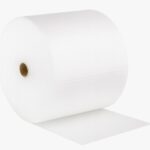
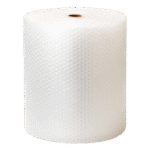 Bubble Wrap Rolls
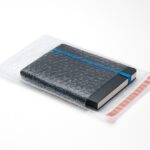 Bubble Wrap Bags
 Bubble Envelopes
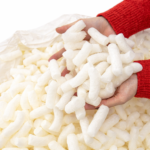 ECOFLO Loose Fill Packing Peanuts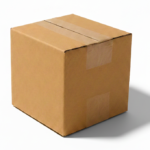
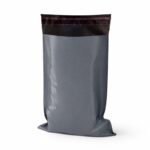
 Grip seal bags
 Arofol Bubble Bags
 Layflat Tubing Heavy duty
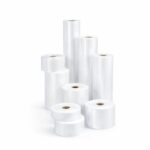 Layflat Tubing Medium duty
When it comes to protecting products during transit, two materials have dominated packaging rooms for decades: packing peanuts and bubble wrap. Both are effective. Both are widely used. But they work in fundamentally different ways — and choosing the wrong one for your product can mean damaged goods, unhappy customers, and avoidable costs.
This guide breaks down how each material works, where each excels, and how to decide which is right for your shipments.
How Bubble Wrap Works
Bubble wrap is made from two layers of thin polyethylene film, with one layer moulded into a series of air-filled pockets. Those pockets are the key — they act as individual shock absorbers, flexing and compressing on impact to disperse force away from the product inside.
This makes bubble wrap particularly effective at direct surface protection. When you wrap an item in bubble wrap, you’re creating a cushioned barrier between the product’s surface and anything it might hit. The air pockets absorb energy from drops, bumps, and vibrations across the entire wrapped surface.
Cloud Packaging carries both small bubble wrap and large bubble wrap, and the difference matters. Small bubbles (typically 10mm diameter) are more flexible, conforming closely to the product surface and providing excellent scratch and abrasion protection. Large bubbles (20mm diameter) hold more air, offering greater impact absorption for heavier or bulkier items. For most standard ecommerce shipments, small bubble wrap is the more versatile choice.
How Packing Peanuts Work
Packing peanuts — also known as loose fill chips or void fill — work differently. Rather than wrapping around a product, they’re poured into a box around it, filling every gap and cavity. When the box is jostled, the chips absorb and distribute movement, preventing the product from shifting inside the carton.
Modern biodegradable packing peanuts, such as Cloud Packaging’s ECOFLO loose fill, are made from GM-free maize starch. They’re 100% compostable (certified to EN13432), water-soluble, naturally antistatic, and independently proven to outperform standard polystyrene loose fill in protection. They come in 5, 7.5, and 15 cubic ft bags — practical for businesses of all sizes.
Head-to-Head: Key Differences
Protection Type
Bubble wrap provides targeted, surface-level protection. It excels at preventing scratches, scuffs, and impact damage on the product’s exterior — particularly for items with fragile surfaces like screens, mirrors, or glassware.
Packing peanuts provide omnidirectional void fill and movement prevention. They’re designed to stop the product shifting inside the box, absorbing vibration and light impacts from all sides. They don’t wrap the product surface directly.
For maximum protection on truly fragile items, many experienced packers use both: wrapping the product in bubble wrap first, then surrounding it with loose fill inside the box. This combines surface protection with void fill stability.
Versatility by Product Type
Bubble wrap is the better choice for:
- Fragile items with delicate surfaces (glassware, screens, ceramics, mirrors)
- Single items that need tight, form-fitting surface protection
- Products being placed inside rigid boxes where void fill isn’t required
- Electronics where surface scratching would render the product unsellable
Packing peanuts are the better choice for:
- Multiple items in a single box that need separating and stabilising
- Irregularly shaped products that are difficult to wrap neatly
- Electronics needing antistatic protection (starch-based peanuts are naturally antistatic — up to five times more effective than polystyrene at preventing static damage)
- Variable-size orders where a single void fill solution needs to work across different box dimensions
Ease of Use
Bubble wrap requires manual wrapping and securing — typically with packaging tape. It’s slightly more time-intensive per item but provides predictable, repeatable results. For high-volume packing environments, clear bubble bags offer a faster alternative to loose rolls, allowing products to simply slide in and seal.
Packing peanuts are faster for void filling — pour, position, pour more. No cutting, folding, or taping required. However, they can be messy and require adequate storage space for bulky bags.
Environmental Impact
Traditional polystyrene packing peanuts are one of the more environmentally problematic packaging materials — non-biodegradable, difficult to recycle, and notorious for littering. Biodegradable starch alternatives have resolved most of these concerns.
Standard bubble wrap is made from polyethylene. While technically recyclable through specialist plastic film collection points, it isn’t accepted in most kerbside recycling collections in the UK. Businesses focused on sustainability should factor this into their packaging choices.
Cost Considerations
Both materials are cost-effective at scale. Bubble wrap costs more per unit of coverage but uses less material per item when wrapped efficiently. Packing peanuts are sold by volume (cubic footage) and costs scale directly with how much void space you’re filling.
For small, light items in ecommerce, bubble wrap (or bubble bags) typically wins on cost-efficiency. For larger boxes with significant void space, packing peanuts tend to be more economical.
Can You Use Both Together?
Yes — and for fragile or high-value items, this is often the recommended approach. Wrap the product in bubble wrap to protect its surface, place it inside a cardboard box on a bed of loose fill, then pour packing peanuts around and over it until firmly packed. This eliminates both surface damage risk and in-transit movement.
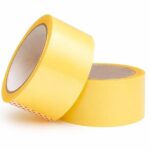
Cloud Packaging stocks both materials, along with cardboard boxes and packaging tape to complete a full protective packing solution.
Quick Reference Guide
| Scenario | Best Choice |
|---|---|
| Fragile glassware or ceramics | Bubble wrap (wrap) + loose fill (void) |
| Electronics (static-sensitive) | Biodegradable loose fill or anti-static bubble bags |
| Irregularly shaped products | Packing peanuts |
| Multiple items in one box | Packing peanuts (to separate and stabilise) |
| Single items with delicate surfaces | Bubble wrap |
| High-volume variable-size orders | Packing peanuts |
| Eco-conscious branding | Biodegradable starch peanuts |
Summary
Neither packing peanuts nor bubble wrap is universally “better” — they solve different problems. Bubble wrap is the superior choice for direct surface protection on fragile, scratch-sensitive, or high-value items. Packing peanuts excel at void filling, load stabilisation, and protecting irregularly shaped or multiple products in a single carton.
For most ecommerce businesses, the answer is to stock both and choose based on what’s being packed. Cloud Packaging supplies both ECOFLO biodegradable loose fill packing peanuts and bubble wrap in small and large bubble sizes, with free UK delivery on every order.