








 Bubble Envelopes
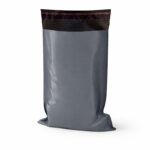 Mailing Bags
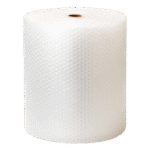 Bubble Wrap Rolls
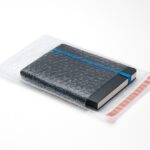 Bubble Wrap Bags
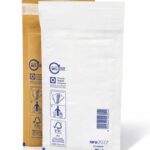 Bubble Envelopes
 ECOFLO Loose Fill Packing Peanuts
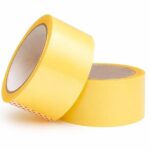
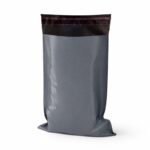
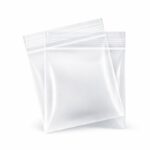 Grip seal bags
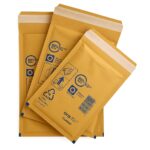 Arofol Bubble Bags
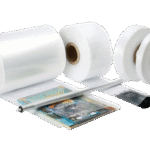 Layflat Tubing Heavy duty
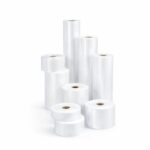 Layflat Tubing Medium duty
Pallet Wrap vs Stretch Film: What’s the Difference and Which Do You Need?
Introduction
The terms pallet wrap and stretch film are often used interchangeably in warehousing and logistics. While they are closely related, there are important differences in terminology, application, and material performance that businesses should understand before choosing the right solution.
Understanding these differences helps improve load stability, reduce material waste, and optimise shipping efficiency across warehouse operations.
What Is Pallet Wrap?
Pallet wrap is a stretchable plastic film used to secure products on pallets during storage and transportation.
It helps:
- Stabilise pallet loads
- Protect products from dust and moisture
- Reduce movement during transport
- Improve shipping safety
Products such as Hand Pallet Wrap are commonly used in warehouses and fulfilment operations where pallets are wrapped manually.
What Is Stretch Film?
Stretch film refers to the material itself rather than the application method. It is a highly stretchable polyethylene film designed to tightly secure products together.
Stretch film can be used manually or with automated wrapping machines depending on operational requirements.
So What Is the Difference?
In many cases, pallet wrap and stretch film refer to the same type of product. The difference mainly comes down to usage terminology.
- Pallet Wrap usually describes how the material is used
- Stretch Film describes the material and its technical properties
Warehouse teams often use both terms interchangeably, but suppliers may categorise them differently depending on application type.
Hand Stretch Film vs Machine Stretch Film
Stretch films are available in both manual and machine-grade formats.
Hand Stretch Film
Hand-applied films are suitable for smaller operations or warehouses with lower pallet volumes.
Manual wrapping solutions such as Hand Pallet Wrap are commonly used for flexibility and convenience.
Machine Stretch Film
Machine-applied stretch film is designed for automated pallet wrapping systems and is more suitable for high-volume environments.
Understanding Micron and Gauge Thickness
One of the most important factors when selecting stretch film is thickness.
Film thickness affects:
- Load stability
- Puncture resistance
- Stretch performance
- Material usage efficiency
Heavier loads generally require thicker films with greater puncture resistance.
Products such as Medium Duty Stretch Film and Heavy Duty Stretch Film are designed for different operational requirements depending on load weight and transport conditions.
When Should You Use Pallet Wrap?
Pallet wrap is commonly used when:
- Shipping products on pallets
- Securing unstable loads
- Protecting goods during storage
- Reducing transit movement
- Preventing dust and moisture exposure
How to Choose the Right Stretch Film
Choosing the correct film depends on:
- Load weight
- Pallet size
- Storage conditions
- Transport distance
- Manual or machine application
Using film that is too thin may lead to load instability, while unnecessarily thick film increases material costs.
Conclusion
Although pallet wrap and stretch film are closely related, understanding their terminology and technical differences helps businesses choose more effective packaging solutions.
Selecting the correct film thickness and application type improves load security, operational efficiency, and material performance across warehouse operations.